matrixyl 3000

Nearly everyone is ready to empty their wallets when it comes to purchasing anti-aging skincare products. How do you feel about saving yourself hundreds of ‘wasted’ dollars by purchasing something that actually works? Word on the street: look for serums and/or creams that contain a key ingredient: Matrixyl 3000.

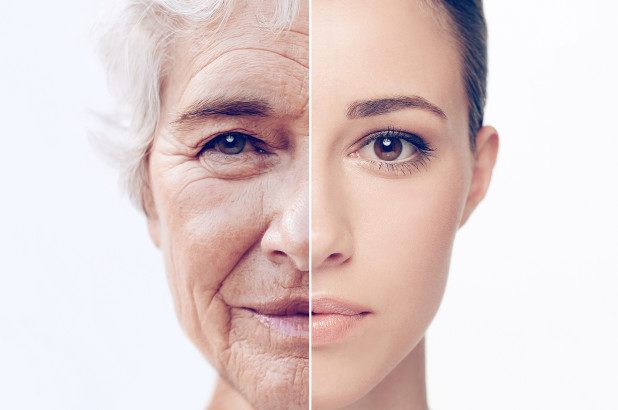
This is perhaps one of the most effective anti-aging peptides that signals to your body to produce more collagen and elastin, leading to wrinkle reduction, decreased sagging, improved moisture and hydration levels, and increased firmness. Sounds like a dream, right? Right!

Matrixyl 3000 is a composition of peptides produced in France, and “is the first anti-aging element based on the technology of Matrikine peptide”. Matrikine is a peptide (chain of up to 50 amino acids) composed of anti-wrinkle actives that help the skin’s structure to work more effectively. It’s like going from a hand-washing your car, to an automated car wash at a gas station; the process is much quicker and results in a smoother, cleaner, and ‘newer’ look – much like what your skin will encounter!

Applying matrixyl 3000 serums to your skin will yield drastic and noticeable results in only a few weeks. This includes improved elasticity, enhancement of your healthy glow, smoothens wrinkles, and reduces fine lines and sagging. However, in order to get the maximum benefits, it is vital you incorporate it into your daily routine and make it a habit to apply it to your skin’s surface after you exfoliate and moisturize.

So how does this ‘magic ingredient’ actually work? Well, it regulates cell activities through cell signaling so that your skin can immediately produce new collagen once the collagen protein has degraded. Naturally, collagen and elastin degrade as you age, and since these compounds are essential for maintaining skin firmness and elasticity, their absence results in wrinkles and fine lines.

But matrixyl 3000 is like no other anti-aging ingredient. It is different from many of the other peptides because its results are long-lasting. It has two jobs and specializes in those jobs: to stimulate collagen synthesis and to repair damage. It has the ability to penetrate deep within the layers of your skin (unlike other peptides which only treat the uppermost surface) with little to no side effects.

In sum, matrixyl 3000 earns its name for the best anti-aging ingredient, leaving you with long-lasting youthful-looking skin.

Written by: Adi

From some rum-infused eggnog on Christmas morning, to the oh-so-sweet taste of champagne on New Year’s Eve, the holiday season is often not complete without some booze to go along with it. When we think about alcohol, we often immediately hone in on its effect on our weight, our liver, and of course, our brain. Yet, what is often overlooked is the way drinking impacts our skin.

Alcohol is a toxin with little nutritional value that can often diminish your skin’s quality and appearance. Many boozy drinks also contain high quantities of sugar that can lead to breakouts and hormonal disruptions. The sugar in many alcoholic drinks can elevate your insulin levels to negatively impact your thyroid and sex hormones, and can swing your hormonal balance out of whack.

It is not just your stomach that bloats when you drink. Alcohol causes internal inflammation and this can result in puffiness and redness of your skin. Drinks also target bacteria in your stomach called the microbiome. The microbiome is important for regulating your immune system to prevent inflammatory skin diseases.

Last but definitely not least, that crisp glass of merlot is dehydrating you at unprecedented levels. Alcohol is a diuretic (hence why you may be making more trips to the bathroom after that extra drink), and can deprive your skin of important vitamins and nutrients. It is also hard to rehydrate after drinking, and therefore, your skin is often left dry and flaky with more visible wrinkles after a night out.

It is important to be aware of the way that extra glass of booze can affect your skin, and to take steps such as drinking plenty of liquids (and by liquids I mean water) and moisturizing to reduce its harm. It would be unreasonable for me to tell you to cut out drinking all together this holiday season, but maybe trade in your glass of wine to a glass of milk, and sneak a cookie off of Santa’s plate.


Written by: Prishni Seyone

When considering moving to the city, we often wonder whether we will fit the world of bustling crowds and bright lights. What we don’t often think about though, is how city living may affect our health; specifically our skin. The environment you live in can greatly influence your skin health, and it is not just the degree of sun exposure that can play a role. Polluted air and contaminated water can also be nasty villains interfering with your skin in more ways than one.

Given the constant traffic, noisy construction, and crowded populations present in the city, I don’t think any of us are surprised that pollution levels are significantly higher in urban centers. Pollution particles are ten to twenty times smaller than the average person’s pore size, so in areas with high amounts of pollution, more pollution particles are able to infiltrate deep layers of your skin. These particles can easily irritate your skin and subsequently trigger inflammation, acne, and rosacea. Don’t worry though, you do not have to give up on your city-living dreams just yet. This damage can be minimized by adopting a thorough nighttime routine that removes these pollution particles before bed. Be sure to engage in double cleansing by using a cleansing oil to break down make-up and sebum on the surface of your skin first, and then apply a water-based cleanser for a deeper clean.

It is also important to be aware of the water you are splashing on your face. Hard water has high levels of calcium and magnesium, and is said to be present in 85% of American homes. The alkaline materials in this water can cause dryness and irritation, and can consequently flare up eczema and clog pores. Similar to pollution particles, the effects of hard water can be countered by engaging in double cleansing skincare routines. It would also be useful to invest in hydrating and soothing products that can restore moisture in dry skin.

It would be unrealistic to let your skin dictate where to live. You do not have to abandon your bright light city dreams, but surely be aware of the way your environment impacts your skin, and take steps to minimize the damage.


Written by: Prishni Seyone

Aging: Inevitable to all, yet dreaded by most. Although with old age does come greater wisdom, and the oh-so-exciting retirement that can consist of sunny days at a Fort Lauderdale beach, age can unfortunately show up in unpleasant ways. One of these ways is through the skin. While one may not be able to turn back the hands of time, there are certainly methods to reduce its’ effect. Human skin aging is the outcome of two processes. The first is internal, intrinsic aging that affects the skin in the same way that it affects the rest of the body and its’ organs. In other words, in due time, and without external factors that can accelerate aging, intrinsic aging will happen to our entire bodies.

The second, is external aging that is influenced by hormonal changes and exposure to ultraviolet rays. Although both these factors are undoubtedly bound to happen, premature aging is primarily the result of repeated exposure to UV rays. In fact, approximately 80% of facial skin aging can be ascribed to this exposure. This photoaging leads to a diminished Hyaluronic Acid supply, as well as a lessened concentration of HA receptors in the skin.

Studies have shown that hyaluronic acid can significantly reduce the effect of UV rays on keratinocytes. These are epidermal cells that produce keratin, a fibrous, structural protien found in the skin, hair, and nails.  In order to combat the detrimental effects on skin health, using a topical product that replenishes the depleted levels of HA with a new supply is essential in order to proactively prevent and fight premature aging.